

Aging Gracefully: What Ecclesiastes Says About Youth, Risk, and Remembering God
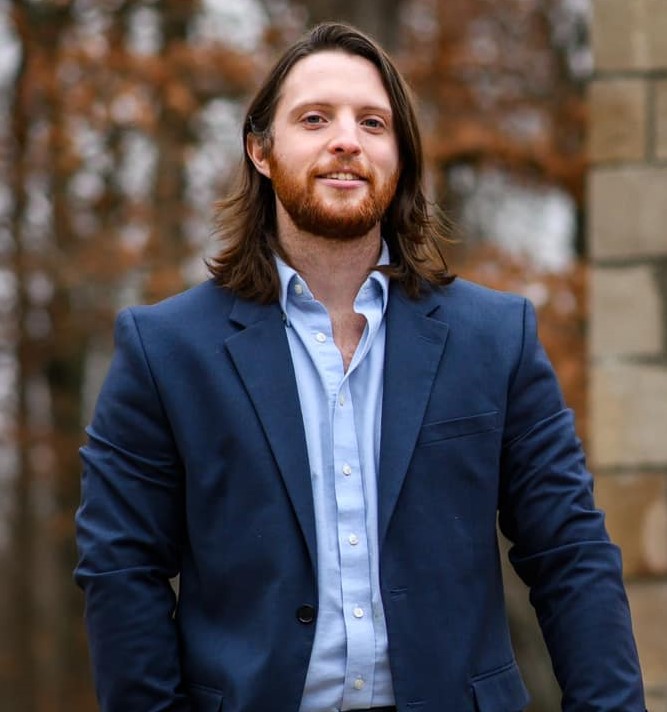
It feels like just last week I was 25. I was a travel nurse living out of a camper in the bed of my truck, working psych units and exploring New Mexico. Before that, I was a 22-year-old newlywed getting ready to move to Tennessee to finish college. Not long before that, I was going to my senior prom.
Now I’m 30, about to turn 31, and a Facebook memory just told me something happened ten years ago. I refused to believe it. It was true.
I’m in a strange spot. Some of the folks at church still call me a young man, but on Wednesday nights the teenagers call me “Unc.” I have one foot in my youth and one in middle age. I have the energy to keep up with high schoolers, but my hair is turning white. Lately, questions have been rattling around in my head. Did I hit my peak? Did I live up to the potential of my youth? Does it get better than this?

If you’re older than me, you’ve probably asked those questions too. It turns out the writer of Ecclesiastes was asking them as well.
The Opportunity of Youth
The book is written from the perspective of a Solomon-like ruler near the end of his life, looking back. In chapter 11, he starts with a strange piece of advice: “Send your grain across the seas, and in time profits will flow back to you.”
Why would I want soggy bread that’s been floating around for days? Because this is a metaphor for risk. Sending your product across the sea in a handmade wooden ship was a gamble. A storm could sink it. A leak could ruin it. The sailors might eat it. Even if everything went right, you might not see a return for a long time.
Here’s the point: your youth is the time to take risks. If you take a risk early, you have time for it to pay off, and time to recover if it doesn’t. Those risks don’t have to be financial. They could be:
Finally pursuing that relationship
Taking an adventure you may never be able to take again
Changing careers
Opening up a conversation about your faith with someone who might not react well
But there’s a wise way to take risks and a dumb way. The author gives us a few guidelines.
Don’t put all your eggs in one basket. Spread your investments around, because you don’t know what’s coming. (A relationship risk may be the one exception.)
Understand what’s inevitable and what’s random. When clouds fill with moisture, rain is coming. That’s inevitable. When the wind knocks a tree down, which way it falls is random. Neither is in your control. Before you take a risk, understand both. For a retirement investment, that means understanding the market. For a backcountry trip, it means knowing what to expect and how to stay safe. For sharing the gospel, it means accepting that the person in front of you might not be ready to hear it yet.
Don’t wait for perfect conditions. “Farmers who wait for perfect weather never plant. If they watch every cloud, they never harvest.” Anyone who has spent time in Indiana knows there are very few perfect days.
When I was in high school, my dad had a rental house that needed reshingling. It was about 100 degrees, and we were up on a black roof. People walking by stopped to ask if we realized how hot it was. Of course we did. But the job needed doing, and that was the day we had. We weren’t going to wait out the rain.
Most of us, if we’re honest, have missed opportunities because we were watching for rain. A job, an investment, a friendship, a vacation, a chance to lead someone to Christ. We thought it might storm, so we stayed inside.
The author’s formula is simple. Take the risk. Understand what’s inevitable and what’s random. Then work as hard as you can to make it pay off. Even if it doesn’t, you’ll have learned something, and you’re young enough to use it next time.
The Joys of Youth
Then the author shifts gears. “Light is sweet. How pleasant to see a new day dawning.”
My wife and I have a two-year-old and a baby who’s just over two months old. They’re in the dawn of their lives, and the potential is limitless. (If it takes me two days to text you back, that’s why.) But the author says old age deserves celebration too. In his day, with no modern medicine, reaching old age was a real accomplishment. We should treasure our elders. He also reminds us there will be dark days ahead.
His advice for the young is this: “It’s wonderful to be young. Enjoy every minute of it. Do everything you want to do. Take it all in. But remember that you must give an account to God for everything you do.”
Most of us look back on our younger years with rose-colored glasses. We had few responsibilities, friends always around, free time, and no mortgage. Everything felt new.
But if you’re past 25, this doesn’t mean the fun is over. I’ve been running masters track meets this year, and I warm up next to 70-year-olds who still hurdle. At my last meet, an 83-year-old named Howard Booth was pole vaulting. A few years ago, my wife and I hiked Angels Landing, a narrow spine of a mountain, and a man in his 70s bounced past us, smiling the whole way. I promise you those folks are enjoying every second of their lives.
Unless you’re knocking on death’s door, you’re still young compared to what’s coming. And no matter your age, you will never be this young again. Neither will your spouse, your kids, your parents, or your friends. So soak it up.
That doesn’t mean live like a rock star. The author isn’t giving a license for reckless living. If I had to sum up the warning, it would be: Have fun. Use your head. Don’t be stupid. And his closing advice is one a nurse can heartily endorse: “Refuse to worry and keep your body healthy.” Low stress and strong muscles are about the closest thing we have to a fountain of youth.
The End of Youth
Then comes the classic Ecclesiastes realism. Youth is wonderful, and it is also hevel, a vapor. It’s like your breath on a cold day. You can’t hold it, and you can’t go back to it. When we try to recreate old memories, they’re never quite the same, because the moment is gone.
In chapter 12, the author paints a picture of an aging body as a house:
The keepers of the house tremble (shaky legs)
The strong men stoop (a hunched back)
The grinders stop because they are few (teeth)
Those looking through the windows see dimly (fading eyesight)
Notice that no one is exempt. The servants and the wealthy, men and women, all face it.
He isn’t writing this to bum us out. He’s writing it so we get our priorities straight while we still can. Someday your legs and back won’t handle the hikes and fishing trips they do now. Your eyes won’t see like they once did. So take the opportunities while you have them.
But above all, he says something over and over: Remember your Creator before this happens. Before the silver cord is severed. Before the golden bowl is broken. Before the dust returns to the earth. In his own creative way, he’s saying that when you die, it’s too late.
Remember Your Creator
Here’s what I’m convinced of: if you take your relationship with God seriously, you will never look back on your life and regret it. I’m not talking about a lukewarm faith. I’m talking about time in his Word, time in prayer, and time spent seeking how he wants to use you.
I’ve seen plenty of people spend their lives chasing only what they want. They end up with regrets, I wish I would have, I wish I could have. I have never met someone who truly followed God and looked back with regret.
You’re never too young and never too old to remember your Creator. He is longing for a relationship with you. Whether you’re 15 or 65, it’s not too late.
The author encourages us to take calculated risks, but this is not one of them. If you haven’t been baptized, if you haven’t started following Jesus, today is the day. And if you have, but you haven’t taken that relationship seriously, then today is the day for you too.
The days are short. Make them count.


Comments